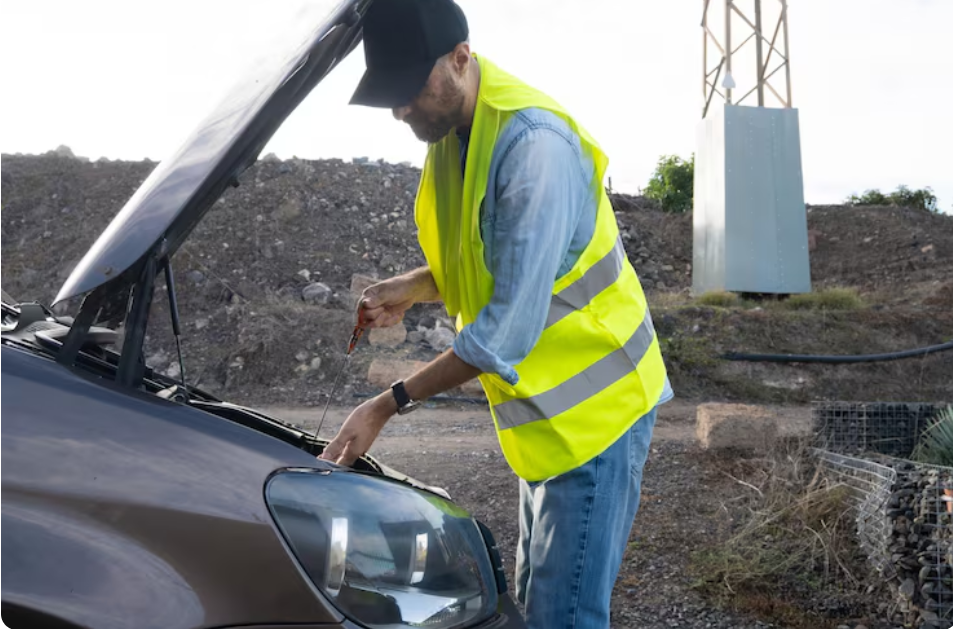
Did you know that the hydrogen tanks in modern Fuel Cell Electric Vehicles (FCEVs) store gas at a pressure of 700 bar, which is approximately 10,000 PSI? To put that in perspective, that is roughly 300 times the pressure of a standard car tire, contained within a vessel sitting just inches from the rear axle.
When an FCEV is involved in a collision, tow operators and first responders face a dual threat: the high-voltage electricity found in standard EVs, combined with the volatility of highly compressed flammable gas. A mistake in handling a compromised tank can result not just in a fire, but in a catastrophic pressure release event.
Understanding hydrogen vehicle recovery safety is critically important for the modern towing industry. As fleets of hydrogen trucks and passenger cars like the Toyota Mirai and Hyundai Nexo expand in 2026, operators who fail to adapt their protocols face lethal risks and massive liability. This article provides the technical roadmap for safely recovering these advanced machines.
What is Hydrogen Vehicle Recovery Safety and Why Pay Attention?
Hydrogen vehicle recovery safety refers to the specialized standard operating procedures (SOPs) required to identify, immobilize, and transport vehicles powered by compressed hydrogen gas. Unlike gasoline or battery-electric vehicles, FCEVs present unique behavior patterns in an accident scenario, such as invisible flames and high-pitched venting sounds.
In the modern context, paying attention to 700-bar tank emergency protocols is vital because hydrogen is colorless, odorless, and lighter than air. Standard roadside instincts—like smelling for fuel leaks or looking for smoke—will fail you.
Furthermore, FCEVs are hybrids of chemistry and electricity. They generate power on-board. This means recovery teams must manage fuel cell vehicle accident response by securing both the high-voltage electrical system (similar to a Tesla) and the high-pressure storage system (similar to a tanker truck) simultaneously.
Common Mistakes to Avoid Regarding FCEV Recovery
The transition to hydrogen requires unlearning habits that have been safe for decades. Avoid these critical errors when approaching an FCEV scene:
- Looking for Smoke or Flame: Hydrogen burns with a pale blue flame that is virtually invisible in daylight. Walking toward a vehicle to check for damage without a thermal camera can lead to walking directly into a 2,000-degree fire.
- Misinterpreting the “Hiss”: If you hear a loud hissing sound, do not assume the tank has ruptured. It may be the Temperature Pressure Relief Device (TPRD) functioning correctly to vent gas and prevent an explosion. Plugging or obstructing this vent is a fatal error.
- Towing with Wheels on the Ground: Like battery EVs, FCEVs use permanent magnet motors. Towing them with drive wheels on the ground generates electricity that can back-feed into the damaged inverter, causing a secondary fire.
- Indoor Storage: Towing a damaged FCEV into a repair shop or indoor garage is strictly forbidden. Hydrogen rises rapidly; if it leaks indoors, it pools at the ceiling, creating an explosive mixture above the unsuspecting mechanics.
Step-by-Step Guide: How to Effectively Execute Hydrogen Recovery Protocols
Recovering a hydrogen vehicle is a scientific process, not a brute-force operation. Follow this guide to ensure the safety of your crew and the public.
First Step: Scene Size-Up and Identification
Approach the vehicle from upwind and uphill. Use binoculars to look for FCEV identifiers, such as “Blue Diamond” badges, “H2” markings, or specific model shapes (Toyota Mirai, Hyundai Nexo, Honda CR-V e:FCEV). If confirmed, establish a 100-meter exclusion zone until leak status is verified.
Second Step: Leak Detection and Zoning
Do not rely on your nose. Use a portable multi-gas detector calibrated for Hydrogen (H2) and Lower Explosive Limits (LEL). Sweep the vehicle from a distance, moving closer only if readings are safe.
- Zone 1 (Hot): Within 10 meters of the vehicle (Full PPE required).
- Zone 2 (Warm): 10–20 meters (Support crew).
- Zone 3 (Cold): Beyond 20 meters (Staging area).
Third Step: Immobilization and Disconnect
Secure the vehicle with wheel chocks immediately. FCEVs are silent; the car could be “ON” and ready to drive even if the engine is quiet. Access the emergency disconnect for EV towing (usually a cut-loop in the engine bay or a fuse plug) to isolate the high-voltage battery and close the solenoid valves on the hydrogen tanks.
Fourth Step: Loading via Flatbed Only
Towing FCEV fuel cell cars requires a flatbed carrier. Do not use wheel lifts or dollies for long distances if avoidable. The vibration and angle of wheel lifts can stress the mounting brackets of the high-pressure tanks. Winch the vehicle slowly onto the flatbed using the manufacturer-specified tow eyelet.
Fifth Step: Temperature Monitoring During Transport
During transport, the motion of the truck can cause residual hydrogen in the lines to shift. Monitor the tank temperature if possible. If the TPRD vents during transport (a loud jet-engine sound), pull over immediately, evacuate the area, and let the tank empty itself safely.
Best Practices and Expert Recommendations for Excellent Results
To operate at the highest level of safety, you must integrate OEM data and advanced technology into your workflow.
Mastering OEM Compliance
Toyota, Hyundai, and Honda provide specific “Emergency Response Guides” (ERGs) for their FCEVs. These documents show exactly where the high-pressure lines run.
- Recommendation: Download the “Euro Rescue” or “NFPA” apps which provide offline access to these schematics. Knowing that the hydrogen lines run down the center tunnel in a Mirai but might be routed differently in a specialized towing for hydrogen trucks scenario allows you to place your J-hooks without crushing a 700-bar fuel line.
Thermal Imaging for “Invisible” Threats
Invest in a handheld thermal imaging camera (TIC). Because hydrogen flames are invisible to the naked eye, a TIC is the only way to “see” a fire. Scan the vehicle periodically during the recovery. If you see a heat signature spiking on the undercarriage where the tanks are located, retreat immediately.
The “Open Air” Quarantine
Once the vehicle is recovered, it must be stored in an “Open Air Quarantine” area. This should be a fenced section of your tow yard at least 15 meters away from other vehicles, buildings, or combustibles. Mark the vehicle with “HYDROGEN HAZARD” tape to warn insurance adjusters or mechanics who might visit the yard later.
Future Perspectives: The Rise of Heavy-Duty Hydrogen
The future of hydrogen recovery is scaling up. By 2027, we expect to see a surge in Class 8 Hydrogen Fuel Cell Trucks on highways. Specialized towing for hydrogen trucks will require heavy-duty wreckers equipped with extended-reach sensors and potentially mobile nitrogen purge units to flush fuel lines on the side of the road before towing.
Additionally, “Connected Rescue” tech is emerging. Future FCEVs will transmit their tank pressure and temperature data directly to the tow truck’s dashboard tablet via V2V (Vehicle-to-Vehicle) communication, alerting the driver of a leak before their sensors even pick it up.
Hydrogen is a fuel of the future, but it demands respect in the present. By mastering hydrogen vehicle recovery safety and understanding the physics of 700-bar systems, you transform a potential hazmat disaster into a controlled, professional recovery.
Equip your fleet with gas detectors, update your training manuals, and never treat an FCEV like just another car. In the world of invisible fuels, knowledge is your only protection.