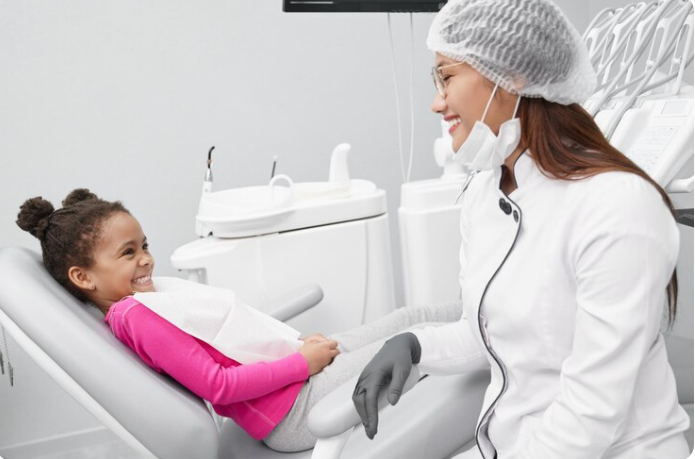
Choosing a dentist for your child is an important healthcare decision. Children have dental needs that change as they grow, from the arrival of their first teeth to the transition into permanent teeth and the development of lifelong oral hygiene habits. Finding the right pediatric dentistry Utah provider can help parents establish a comfortable, positive approach to dental care from an early age.
While location and cost are practical considerations, parents should also look at professional qualifications, preventive services, communication style, office environment, emergency care, and the way the dental team interacts with children.
What Is Pediatric Dentistry?
Pediatric dentistry focuses on the oral health of infants, children, and adolescents. Pediatric dentists are trained to manage dental issues that occur during childhood and to work with young patients who may feel nervous or uncertain about dental visits.
A pediatric dental practice may provide preventive examinations, cleanings, fluoride treatments, dental sealants, cavity treatment, dental X-rays when appropriate, and guidance about brushing, flossing, nutrition, and oral development.
The goal is not simply to treat dental problems but also to help prevent them.
Start With Professional Qualifications
One of the first things parents should consider is the dentist’s professional background.
Check whether the dentist is appropriately licensed and whether the practice clearly provides information about professional qualifications and pediatric dental experience. Parents can also ask about additional pediatric training when choosing a dentist specifically for a child.
Experience can be particularly valuable when treating very young children or patients who are anxious about dental procedures.
Look for a Child-Friendly Environment
For many children, visiting a dentist can initially feel intimidating.
A welcoming environment can make the experience easier. Some pediatric dental offices are specifically designed around younger patients, with child-friendly waiting areas, smaller equipment, entertainment, or other features intended to make appointments more comfortable.
However, appearance alone should not determine your decision.
Pay attention to how staff members communicate with children. A calm, patient team that explains procedures in age-appropriate language can contribute significantly to a positive dental experience.
Consider Preventive Dental Care
Preventive care is an important part of children’s oral health.
Ask what preventive services the practice offers and how the dental team helps parents understand their child’s individual needs.
Depending on age and circumstances, preventive care may include routine examinations, professional cleaning, fluoride treatments, sealants, and education about brushing and flossing.
A good dental team should also help parents understand habits that can affect oral health, including diet and regular home care.
Ask How the Dentist Handles Dental Anxiety
Children respond differently to dental appointments.
Some are comfortable from the beginning, while others may be frightened by unfamiliar equipment, sounds, or procedures.
When comparing pediatric dental practices, ask how they work with anxious children. The dentist should be able to explain how appointments are adapted to a child’s age, temperament, and comfort level.
Parents should feel comfortable asking questions about any proposed procedure before treatment begins.
Evaluate Communication With Parents
Good pediatric dental care also requires effective communication with parents or guardians.
After examining a child, the dentist should be able to explain any identified problems, available treatment options, expected benefits, potential considerations, and recommended follow-up.
Parents should not feel pressured into agreeing to treatment they do not understand.
If a procedure is recommended, ask why it is necessary, whether alternatives exist, and what could happen if treatment is postponed.
Consider the Range of Services
Children’s dental needs can change significantly as they grow.
When selecting a practice, ask about the services available for different age groups. In addition to routine preventive care, a practice may offer treatment for cavities, dental injuries, developmental concerns, or other pediatric dental conditions.
If specialized treatment becomes necessary, it can also be useful to understand how the practice handles referrals to other dental or medical professionals.
Ask About Dental Emergencies
Children can experience unexpected dental injuries while playing, participating in sports, or simply going about their daily activities.
Before choosing a dental practice, ask how urgent dental situations are handled.
Find out whom parents should contact outside normal office hours and what procedures the practice follows for urgent problems.
Knowing this information in advance can be helpful if an emergency occurs later.
Review Location and Office Hours
Even an excellent dental practice can become difficult to use if scheduling appointments is consistently inconvenient.
Consider the distance between the dental office and your home, workplace, or child’s school. Review opening hours and determine whether they fit your family’s schedule.
For families with several children, convenient scheduling can become especially important when multiple appointments are required.
Understand Costs and Insurance
Before treatment begins, parents should understand the expected financial arrangements.
Ask whether the practice accepts your dental insurance and whether particular services require additional authorization or out-of-pocket payments.
For families without dental insurance, ask about payment options and how treatment costs are communicated.
When more extensive treatment is recommended, requesting a written estimate can make it easier to understand the expected expenses.
Read Reviews Carefully
Online reviews can provide useful information, but they should be considered as only one part of the decision.
Rather than focusing exclusively on star ratings, look for recurring comments about communication, appointment scheduling, cleanliness, staff interactions, and how children are treated.
A single positive or negative review may not represent the typical patient experience. Patterns across multiple reviews can be more informative.
Schedule an Initial Visit
Sometimes the best way to evaluate a pediatric dental practice is to experience it personally.
An initial appointment allows parents to observe the office, meet the dental team, ask questions, and see how their child responds to the environment.
Notice whether the dentist communicates directly with your child rather than speaking only to the parent.
A positive relationship between the child and dental team can make future appointments easier.
Encourage Good Dental Habits at Home
Choosing a good pediatric dentist is only one part of protecting a child’s oral health.
Regular home care remains essential. Parents can help children develop consistent brushing and flossing habits appropriate for their age and follow professional recommendations concerning diet and preventive care.
Dental appointments can then reinforce habits that are already being practiced at home.
As children become older, gradually encouraging them to take more responsibility for their own oral hygiene can help establish habits that continue into adulthood.
Don’t Wait for a Dental Problem
Parents do not need to wait until a child develops tooth pain before establishing dental care.
Routine dental visits allow a dental professional to monitor oral development and identify potential concerns. They also give children an opportunity to become familiar with dental appointments before they need treatment for a painful problem.
A child who associates dental visits with routine preventive care may find future appointments less intimidating.
Final Thoughts
Finding the right pediatric dentistry Utah provider involves more than selecting the closest dental office. Parents should consider professional qualifications, pediatric experience, preventive services, communication, emergency procedures, costs, convenience, and how comfortable their child feels with the dental team.
Taking time to compare practices and ask questions can help families make an informed decision. Most importantly, combining appropriate professional dental care with consistent oral hygiene at home can help children develop healthier habits that may benefit them for many years.