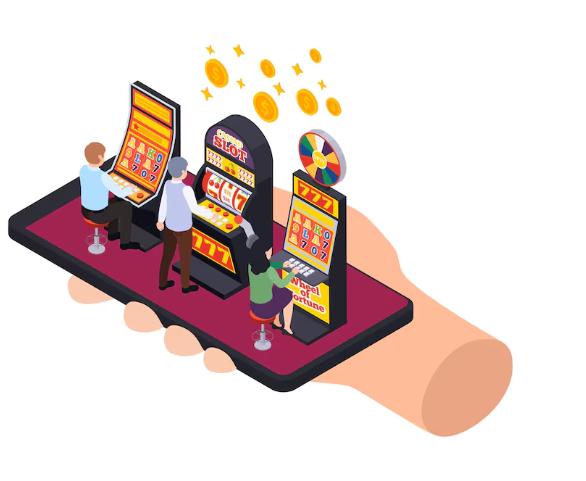
The digital entertainment industry has evolved considerably over the past decade. Smartphones, faster internet connections, and modern software development have transformed how people access interactive games.
One area experiencing substantial technological change is online slot gaming. What began as a digital adaptation of traditional casino machines has developed into an industry featuring sophisticated graphics, mobile-compatible interfaces, and complex mathematical game designs.
Understanding these developments provides useful insight into how technology continues to influence online entertainment.
The Evolution of Slot Games
Traditional slot machines operated using mechanical reels and physical components. Players activated a mechanism that caused the reels to spin, with outcomes determined by the machine’s internal system.
The introduction of electronic gaming machines allowed developers to replace mechanical components with digital systems.
Later, internet-based platforms made it possible to offer slot games through desktop computers.
Today, many online games use browser-based technologies that support smartphones, tablets, and computers without requiring specialised hardware.
These developments have expanded the range of available game designs and changed how digital gaming platforms are developed.
Why Mobile Gaming Has Become Important
Smartphones have become a major gateway to digital entertainment.
Mobile users generally expect websites and applications to load quickly, provide intuitive navigation, and display correctly on smaller screens.
Online gaming developers have responded by designing interfaces that adapt to different devices.
For example, modern slot gaming experiences can be evaluated through factors such as responsive design, loading speed, visual clarity, and compatibility with mobile browsers.
However, users should verify the identity, licensing, and legal status of any real-money gaming platform before participating.
Mobile optimisation is not simply about reducing screen dimensions. Developers must also consider touchscreen interaction, internet connectivity, battery consumption, and device performance.
The Technology Behind Online Slot Games
Modern online slot games generally use software-based random number generators, commonly called RNGs.
An RNG produces values that determine the outcome of each game round.
In a properly implemented system, individual outcomes are not predictable from previous results.
This means that observing patterns in earlier spins does not provide a reliable way to forecast future outcomes.
The game software then translates the generated result into the symbols, animations, and visual effects displayed to the user.
The underlying mathematical model determines how different outcomes are distributed.
Independent testing and regulatory oversight can help establish whether gaming systems operate according to their published rules.
HTML5 and Cross-Platform Compatibility
HTML5 has become an important technology in browser-based gaming.
It allows developers to create interactive experiences that function across multiple operating systems and browsers.
Unlike older technologies that depended on additional browser plugins, HTML5 supports multimedia and interactive content through modern web standards.
For gaming developers, this offers several advantages.
Games can adapt to different screen sizes, use touch controls, and deliver animations without requiring users to install separate software.
Cross-platform compatibility also simplifies maintenance because developers can support multiple devices through a shared technical foundation.
However, actual performance still depends on the device, browser, network connection, and quality of the software.
How Graphics Influence the Gaming Experience
Visual presentation plays an important role in modern digital entertainment.
Early online slot games typically featured simple symbols and limited animation.
Contemporary titles may include elaborate themes, animated backgrounds, interactive symbols, and detailed transitions.
These features can create a more visually engaging experience.
Developers must nevertheless balance visual complexity with performance.
Large graphics files and excessive animation can increase loading times, particularly on slower mobile connections.
Optimised images, efficient rendering, and carefully designed interfaces can improve accessibility across different devices.
Understanding RTP and Game Volatility
Two important concepts in slot game design are return to player and volatility.
Return to player, or RTP, represents the theoretical proportion of total wagers that a game is designed to return over a very large number of plays.
For example, a game with a theoretical RTP of 96% has a mathematical model that returns an average of 96 units for every 100 units wagered over its long-term operating cycle.
This does not mean that every player will receive 96% of their spending back.
Individual results can differ substantially from the theoretical average.
Volatility describes how payouts are distributed.
Higher-volatility games may produce relatively infrequent larger payouts, while lower-volatility games may produce more frequent smaller payouts.
Neither type guarantees a profit, and real-money gambling always carries financial risk.
The Role of Cybersecurity
As online entertainment platforms become more sophisticated, cybersecurity becomes increasingly important.
Gaming websites may process personal information, account credentials, and financial transactions.
These systems can attract attempts at fraud, phishing, and unauthorised access.
Responsible platform operators should implement appropriate security controls, including encrypted connections, secure authentication, and transaction monitoring.
Users can also protect themselves by choosing unique passwords, avoiding suspicious messages, and checking website addresses carefully.
A professional-looking website is not sufficient evidence that a platform is legitimate or properly licensed.
Artificial Intelligence in Online Gaming
Artificial intelligence is influencing several areas of digital gaming operations.
AI-based systems can help analyse technical performance, detect unusual account activity, and support customer service.
Machine learning may also assist operators in identifying suspicious transactions or patterns associated with harmful gambling behaviour.
However, artificial intelligence cannot reliably predict the results of a properly implemented random slot game.
Software claiming to guarantee winning outcomes should be approached with scepticism.
The most useful applications of AI in gaming involve operational efficiency, security, accessibility, and user protection.
Responsible Gaming and Consumer Awareness
Greater access to online gaming creates a need for stronger consumer awareness.
Real-money slot games are designed with a mathematical house advantage, meaning that players should not treat them as a dependable source of income.
Where gambling is legal, users should understand the risks and check whether an operator provides responsible gaming safeguards.
Such safeguards may include spending limits, session reminders, cooling-off periods, and self-exclusion options.
Players should also review the platform’s terms, applicable age restrictions, and local gambling laws.
Digital convenience should never replace informed decision-making.
What Comes Next for Online Slot Technology?
The future of online gaming will likely be shaped by improvements in mobile hardware, browser performance, cloud infrastructure, and cybersecurity.
Developers may continue experimenting with immersive interfaces, accessibility improvements, and more efficient graphics technologies.
Regulatory expectations around transparency, fair game testing, data protection, and consumer safeguards will also influence the industry.
As gaming platforms evolve, the most important challenge will be balancing technical innovation with reliability and responsible operation.
Conclusion
Mobile technology has significantly influenced the development of online slot gaming.
Responsive interfaces, HTML5, random number generators, advanced graphics, and cybersecurity systems all contribute to the modern digital gaming environment.
Understanding these technologies helps readers evaluate online gaming platforms more critically and distinguish technical features from claims about financial outcomes.
As the industry continues to develop, transparency, consumer protection, and responsible gaming practices will remain essential to its long-term credibility.