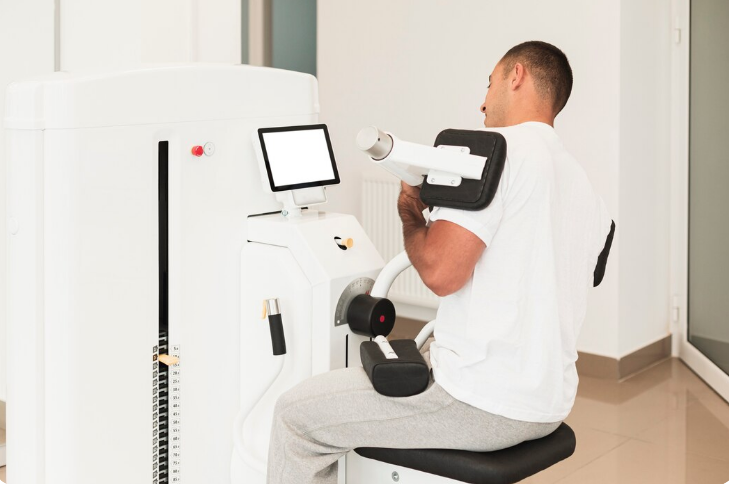
Modern integrative medicine often looks beyond structural symptoms and biochemical markers to consider how the body regulates itself on a broader level. One approach that reflects this perspective is bioresonance therapy, a non-invasive method that works with the concept of electromagnetic signals within the body.
In clinical environments such as Gold City, bioresonance therapy is used as a complementary method within a medically guided framework, aiming to support balance and self-regulation rather than replace conventional care.
The Concept Behind Frequency-Based Therapies
Every biological process in the body involves electrical activity. From nerve signaling to cellular communication, subtle electromagnetic patterns are constantly active. The theory behind bioresonance therapy is that disruptions in these patterns may be associated with stress, environmental exposure, or chronic imbalance.
Rather than introducing medication, this approach uses specialized devices to detect and modulate frequency patterns. The intention is to help the body recognize and adjust irregular signals, supporting its natural regulatory capacity.
A structured explanation of how bioresonance therapy is applied typically includes health assessment, frequency analysis, and tailored session planning.
What Happens During a Session?
Bioresonance sessions generally begin with an evaluation of the individual’s health profile. Devices are used to assess electromagnetic patterns, identifying potential areas of imbalance.
The process may include:
- Analysis of energetic responses
- Identification of stress-related frequency patterns
- Application of modulated frequencies designed to support regulation
The experience itself is typically gentle and non-invasive. Individuals remain fully awake and comfortable throughout the session.
Areas Where Bioresonance Is Often Explored
People who seek bioresonance therapy often do so for supportive care in areas such as:
- Stress regulation
- Energy balance
- Immune support
- Environmental sensitivity
- Detoxification support
- General wellbeing optimization
Because it does not involve medication or invasive procedures, some individuals consider it as part of a broader wellness plan.
The Role of Integration in Care
Bioresonance therapy is rarely used in isolation. In integrative medicine settings, it may complement other strategies such as:
- Nutritional guidance
- Functional diagnostics
- Stress management programs
- Lifestyle optimization
- Circulatory or detox support therapies
The goal is not to treat a single symptom, but to support the body’s internal regulatory systems over time.
Safety and Professional Oversight
As with any complementary therapy, professional supervision is important. Sessions are typically adjusted according to individual health history, sensitivity levels, and therapeutic goals.
Monitoring allows practitioners to:
- Evaluate response over time
- Adjust frequency protocols
- Ensure comfort and safety
- Align sessions with broader treatment objectives
This structured approach helps maintain consistency and patient-centered planning.
A Supportive Tool, Not a Standalone Cure
Bioresonance therapy is best understood as a supportive method within an integrative health framework. It does not replace medical diagnosis or treatment, but may be used alongside conventional approaches to promote systemic balance.
For individuals interested in frequency-based wellness strategies, bioresonance therapy offers a non-invasive option that focuses on regulation, adaptability, and long-term balance rather than rapid intervention.
Final Thoughts
Bioresonance therapy is a frequency-based supportive approach designed to assist the body’s natural self-regulation mechanisms. Delivered within a medically guided and personalized framework, it may complement broader integrative health strategies.
When combined with structured assessment and individualized planning, bioresonance therapy can serve as part of a long-term approach focused on balance, resilience, and overall wellbeing.